What to Ask on Your First Call with an Allied Health Provider (A Checklist for NDIS Parents)
That first phone call with a new allied health provider is a strange kind of interview except most parents go in blind, not sure what's reasonable to ask or worried they'll sound like they're grilling someone who's meant to help their kid. Here's the reframe: a good provider expects these questions. They're not an inconvenience, they're how you figure out if this is the right fit before you commit a term's worth of sessions to it.
It's easy to hang up from that first call with a booking made and a dozen unanswered questions still rattling around what happens if we need to reschedule, who actually writes the reports, does this person even work with kids like mine? None of that is being difficult. It's due diligence for a relationship that could shape your child's progress for years, not just one term of sessions. Reading a little about a clinic's team and approach beforehand can also help you walk into the call with better questions.
Print this out, keep it next to the phone, and work through it on your next enquiry call.
Before You Even Mention Your Child
1. “Are you a registered NDIS provider, and can you work with plan managed, self managed, and agency managed funding?”
This determines whether you can actually use this provider at all, depending on how your plan is managed. Some clinics only accept certain funding types, so it's worth confirming before you get attached to a particular clinician.
2. “What's your current wait time for a first appointment?”
Wait lists for popular NDIS providers can run months, particularly for
speech pathology
and
OT. Ask this early so you can manage expectations or keep looking rather than finding out after you've already filled in intake paperwork.
About the Actual Therapy
3. “What does a typical assessment or first session look like?”
This tells you whether the first visit is a proper functional assessment or just a paperwork intake. A provider who can describe this clearly is one who's done it a hundred times and knows exactly how they work.
4. “How do you set and track goals, and how often will I hear about progress?”
Some clinics send a summary after every session; others only update you at review time. Neither is wrong, but you want to know which one you're getting so you're not left wondering what's actually happening in sessions.
5. “Will the same clinician see my child every time, or does that change?”
Continuity matters enormously for therapy, especially for kids who take time to build rapport. If your provider uses a rotating roster of clinicians, it's worth knowing upfront rather than discovering it session three.
Making Sure They've Actually Worked With Kids Like Yours
6. “Have you worked with children who have a similar diagnosis or presentation to mine?”
Experience with your child's specific condition whether that's autism, a physical disability, or a developmental delay usually means a clinician already has a toolkit of strategies ready to go, rather than building an approach from scratch. This applies just as much to psychology and behavioural therapy as it does to physical therapies. It's a fair, direct question, and a confident provider won't be offended by it.
7. “How do you handle sessions when my child is having a hard day—overwhelmed, non-verbal, or refusing to engage?”
Every child has off days, and how a provider responds in the moment says a lot about their actual approach versus their marketing. Listen for specific, practical answers here rather than a vague reassurance that “we'll figure it out.”
The Logistics Nobody Loves Asking About
8. “Do you offer telehealth, home visits, or after-hours appointments?”
If you're a shift worker, juggling multiple kids' schedules, or simply live somewhere without easy access to a clinic, this question alone can rule providers in or out fast.
9. “What's your cancellation policy, and what happens if a session is missed?”
Fees and rebooking policies vary a lot between clinics. Understanding this now avoids an unpleasant surprise on an invoice later, especially if your schedule isn't entirely predictable.
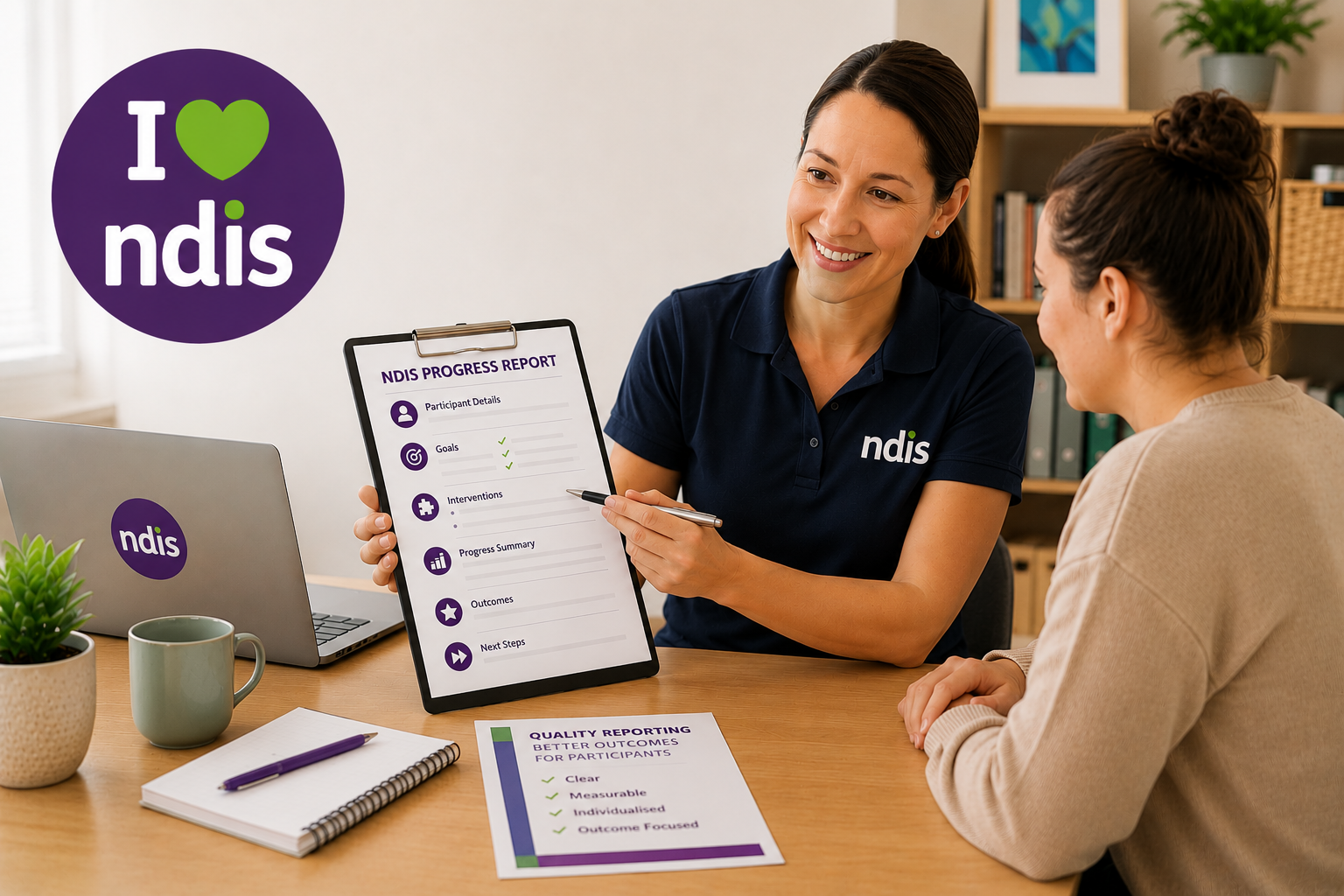
10. “Can you write NDIS progress reports, and how do you approach them?”
Not every clinician writes reports the same way, and the quality of that report can directly affect your next plan review. Ask how they document functional progress a confident, specific answer here is a genuinely good sign. You can read more about how we approach
progress reporting on our services page.
If Your Child Sees Multiple Therapists
11. “Do you coordinate with other providers my child sees, like OT, speech, or psychology?”
Providers who actively collaborate across occupational therapy, speech therapy, and psychology tend to produce more consistent outcomes and stronger, more coherent reporting than ones working in isolation. This question can also reveal whether a clinic offers multiple services under one roof, which simplifies things considerably.
12. “How do you communicate with parents between sessions if something comes up at home?”
Life doesn't wait politely for the next scheduled appointment a new behaviour, a school issue, or a regression can crop up any week. Knowing whether you can flag it via a quick message versus waiting for the next booked slot can matter a lot in practice.
Reading Between the Answers
The actual content of the answers matters less than how they're delivered. A provider who answers every question directly, with specifics, is telling you something about how they'll communicate for the entire time you work with them. One who's vague, rushed, or visibly annoyed by the questions is giving you useful information too just not the kind you want. Trust that read as much as the answers themselves.
Frequently Asked Questions
Is it rude to ask a provider about their fees and cancellation policy upfront?
Not at all—established providers expect this question and should be able to answer it clearly and without hesitation. If a provider seems evasive about costs, that's worth noting as its own answer.
What if a provider can't answer these questions confidently?
It doesn't necessarily rule them out, but hesitation or vague answers on basics like reporting or continuity of care are worth factoring into your decision. Trust your instinct if something feels unclear even after asking directly.
Should I ask these questions even if the provider was recommended by someone I trust?
Yes—a recommendation is a great starting point, but every child's needs and every family's logistics are different. What worked well for one family doesn't guarantee the same experience for yours.
How many providers should I call before choosing one?
There's no fixed number, but speaking with two or three gives you a useful basis for comparison, particularly around wait times and communication style. It's a reasonable amount of legwork for a relationship that may run for months or years.

Book an Appointment Now